

You may have a cavity if a tooth feels sensitive, hurts, looks discolored, or has a visible pit or hole. Still, early cavities often cause no symptoms (see cavity formation time), so the most reliable way to know is to have a dental exam and, when needed, dental X-rays.
If you suspect a cavity or are unsure about tooth sensitivity, a dental exam can clarify what’s causing your symptoms and whether imaging is needed. Supremia Dentistry in Wake Forest, NC provides personalized preventive assessments and clear next-step guidance to help protect your teeth and comfort.
How to Know If You Have a Cavity From Common Signs
A cavity is a damaged area in a tooth caused by decay. It starts when acids from oral bacteria repeatedly weaken enamel, and symptoms become more noticeable as the damage moves deeper.
Common signs include:
- Sensitivity to cold, heat, sweets, or acidic foods
- A toothache or pain when biting
- A rough spot, pit, or visible hole
- White, brown, or black discoloration on a tooth
- Food repeatedly catching between certain teeth
- Floss that consistently shreds in the same spot
- Persistent bad breath or an unpleasant taste
These signs do not always mean you have a cavity. Cracked teeth, gum recession, worn enamel, and loose fillings can cause similar symptoms, which is why an exam matters.
How to Know If You Have a Cavity Without Pain
Yes, you can have a cavity without pain. Because enamel has no nerves, decay in this outer layer may not be noticeable at all and may only show up during an exam or on an X-ray.
Once decay reaches dentin, sensitivity may start. If it reaches the pulp, which contains the tooth’s nerves and blood vessels, pain may become stronger, linger after hot or cold foods, or happen without a clear trigger.
Do not wait for pain before getting checked. Finding decay early often means a smaller repair and more of your natural tooth preserved.
How Dentists Know If You Have a Cavity
A dentist checks for cavities by reviewing your symptoms, examining the tooth, and using X-rays when needed. They look for softened areas, color changes, broken enamel, and problems around older fillings.
Bitewing X-rays can help find a cavity between teeth or decay under a filling that cannot be seen directly. Not every dark spot is decay, and not every sensitive tooth needs a filling.
The final recommendation depends on the exam, imaging, your symptoms, your cavity risk, and whether the area is changing over time. That helps avoid overtreatment while still catching problems early.
Why Treating a Cavity Matters for Comfort and Long-term Health
A true cavity does not usually fix itself once a hole has formed. Without treatment, decay can spread deeper into the tooth and lead to more sensitivity, pain, infection, and loss of tooth structure.
In more advanced cases, an abscess can form near the root. Prompt care can help prevent swelling, trouble chewing, poor sleep, and more complex treatment later.
How to Know If You Have a Cavity and What Treatment to Expect
Treatment depends on how early the cavity is found and how deep the decay goes. Your dentist may recommend one of the following options:
|
Cavity Stage |
Possible Care |
What to Expect |
|---|---|---|
|
Early mineral loss without a hole |
Fluoride treatment and risk-factor changes or peptide remineralization |
The weakened area may be monitored and can sometimes be strengthened |
|
Small or moderate cavity |
Filling |
Decay is removed and the tooth is restored, usually with local anesthetic |
|
Decay near or in the pulp |
Root canal treatment and restoration, followed by a protective restoration such as same-day crowns |
Infected or inflamed pulp is removed, and the tooth is sealed and protected |
|
Tooth too damaged to restore |
Extraction |
The tooth is removed, followed by a discussion of replacement options when appropriate |
If you’re concerned the pulp may be involved, learn signs for a root canal.
A filling visit usually includes numbing the area, removing the decayed tooth material, and placing a durable restoration. Mild temporary sensitivity can happen afterward, but ongoing pain, a bite that feels off, or worsening symptoms should be reported.
When Cavity Symptoms Need Prompt or Urgent Care
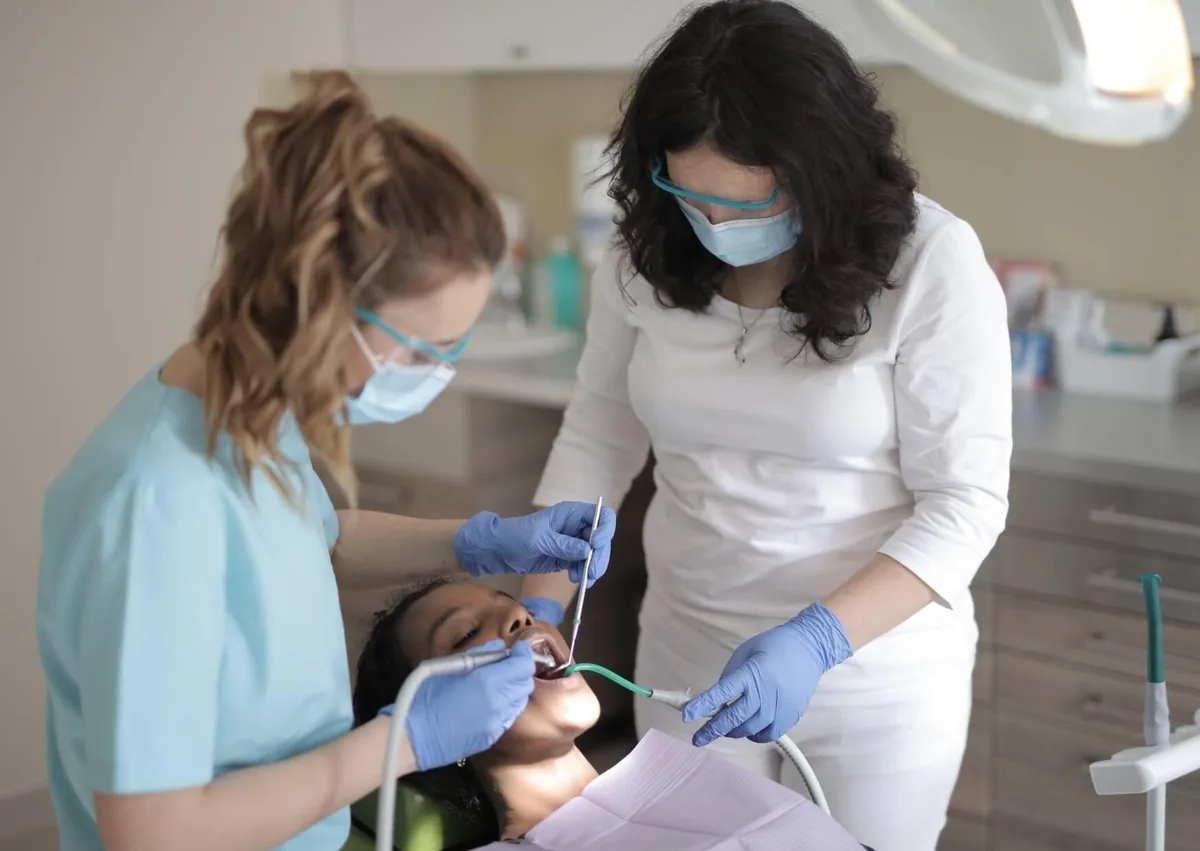
Schedule a dental evaluation soon if you have ongoing sensitivity, pain when biting, a visible hole, a broken tooth, or symptoms that are getting worse. Early evaluation may reduce the chance that decay reaches the nerve.
Seek emergency dental care or medical care for facial swelling, fever, trouble swallowing or breathing, swelling near the eye, or rapidly worsening pain. These signs can point to a spreading infection, and breathing or swallowing difficulty requires emergency care.
For more on severe pain that disrupts sleep, see extreme tooth pain. Until you are seen, brush gently with fluoride toothpaste, floss carefully, and avoid foods or temperatures that trigger discomfort.
A timely dental exam and X-rays are the best next step to confirm decay and get a tailored treatment plan that preserves your tooth when possible. Contact Supremia Dentistry for general dentistry in Wake Forest, NC to book a visit or call (919) 556-6200.
FAQs
Can you see a cavity in the mirror?
Sometimes. A cavity may look like a hole, dark spot, or broken area of enamel, but decay between teeth or under a filling is often impossible to see at home.
Does every dark spot on a tooth mean a cavity?
No. Dark areas can be stains, natural grooves, tartar, older restorations, or decay, and appearance alone is not enough to tell the difference.
Can a cavity go away on its own?
Very early mineral loss may sometimes be stopped or reversed before a physical hole forms, often with fluoride and better control of cavity risk factors. Once tooth structure has broken down into a cavity, professional treatment is usually needed. For a deeper look at this question, read Can a cavity heal itself?
How quickly does a cavity get worse?
It depends on oral hygiene, diet, fluoride exposure, saliva, tooth location, and your overall cavity risk. Because symptoms do not reliably show how deep decay is, suspicious changes should be examined instead of watched at home for too long.