
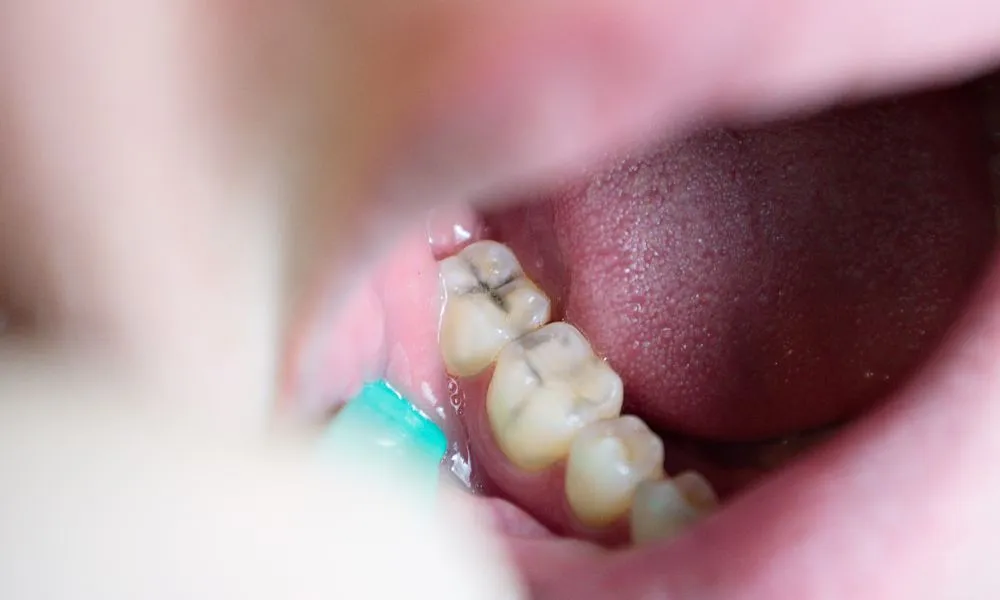
If you are experiencing tooth sensitivity or discomfort, you may be wondering if a cavity can heal itself. The answer depends on how early the decay is detected and whether the enamel is still intact.
At Supremia Dentistry in Wake Forest, NC, patients receive advanced, preventive-focused care designed to stop dental problems early and protect long-term oral health. With a state-of-the-art facility and a highly experienced team, the goal is always to preserve your natural teeth whenever possible.
Can a Cavity Heal on Its Own?
A cavity cannot heal once it has formed a permanent hole in the tooth. However, in the earliest stage of decay, the damage may still be reversible.
This early stage is called enamel demineralization. With proper care, including fluoride and professional dental treatment, the enamel can remineralize and regain strength.
Early detection is key. That is why routine visits for general dentistry play a critical role in preventing cavities from progressing.
When Tooth Decay Can Be Reversed
Tooth decay may still be reversed if:
- The enamel remains intact
- There is no visible hole or structural damage
- The decay is limited to early mineral loss
At Supremia Dentistry, preventive and family-focused care helps identify these early warning signs before they become more serious concerns. Their team uses modern technology and a proactive approach to maintain optimal oral health.
When a Cavity Needs Treatment
Once a cavity progresses beyond the enamel, it cannot heal naturally and must be treated.
Depending on the severity, treatment options may include:
- Tooth colored dental fillings
- Custom dental crowns
- Root canal therapy
For patients with advanced damage or missing teeth, solutions such as dental implants provide long-lasting restoration and natural function.
Supremia Dentistry offers comprehensive treatment options under one roof, including restorative, cosmetic, and advanced care.
Signs You May Have a Cavity
You may need to visit a dentist if you experience:
- Sensitivity to hot, cold, or sweet foods
- Pain when chewing or biting
- Dark spots or visible holes in teeth
- Persistent or sharp tooth pain
Ignoring these symptoms can lead to infection or more complex procedures. Early care helps preserve your natural teeth and avoid costly treatments.
How to Prevent Cavities
Preventing cavities starts with consistent daily care and regular dental visits.
You can protect your smile by:
- Brushing twice daily with fluoride toothpaste
- Flossing every day
- Reducing sugar and acidic food intake
- Scheduling routine dental checkups
Maintaining these habits helps strengthen enamel, reduce plaque buildup, and lower your risk of developing tooth decay over time.
Why Choose Supremia Dentistry in Wake Forest, NC
Supremia Dentistry is known for delivering high-quality, patient-centered care in a comfortable and modern environment.
Patients choose this practice because:
- Led by Dr. Edmond Suh, recognized as a Top Dentist for multiple years
- Advanced dental technology for precise diagnosis and treatment
- Comprehensive services including TMJ therapy, sedation dentistry, Invisalign, implants, and cosmetic dentistry
- A welcoming, stress-free atmosphere designed for patient comfort
The team focuses on both oral health and overall wellness, helping patients achieve confident, lasting smiles.
Visit Supremia Dentistry in Wake Forest, NC
📍 1704 South Main Street, Suite 110
Wake Forest, NC 27587
Explore directions, office hours, and patient reviews on our Google Business Profile before your visit.
Schedule Your Appointment Today
If you think you may have a cavity or are experiencing discomfort, early treatment can prevent more serious dental problems.
Schedule your appointment today with Supremia Dentistry and take the first step toward a healthier smile.
FAQs
Can a cavity heal itself naturally?
No, once a cavity forms, it cannot heal without professional treatment.
Can tooth decay be reversed?
Yes, early-stage decay can sometimes be reversed with proper care and fluoride.
What happens if you ignore a cavity?
Untreated cavities can worsen, leading to infection, pain, and more complex procedures.
How are cavities treated?
Cavities are treated with fillings, crowns, or root canal therapy depending on severity.g prompt assessments, advanced diagnostics, and immediate treatment to alleviate pain and prevent complications.