
By Dr. Morgan Herman, DDS | Supremia Dentistry | Wake Forest, NC
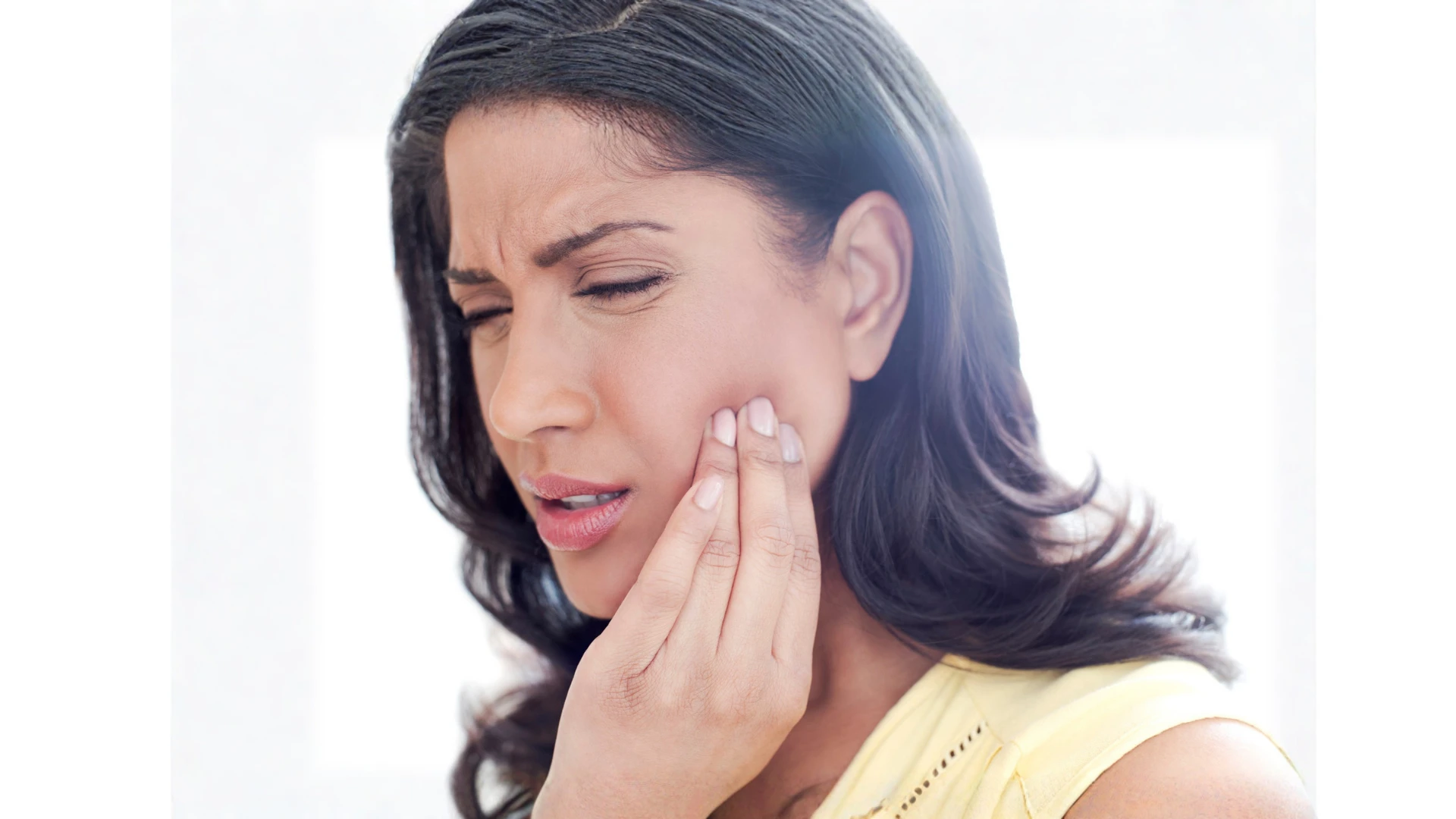
TMD stands for temporomandibular disorder — an umbrella term for a range of conditions that cause pain, dysfunction, or both in the jaw joints, the surrounding muscles, and the connected structures of the head, neck, and face.
The temporomandibular joints (TMJ) are the two hinges that connect your lower jaw to your skull, located just in front of each ear. They’re among the most complex joints in the body — capable of opening, closing, sliding, and rotating — and they’re in use constantly: every time you chew, speak, swallow, or yawn.
When something disrupts the harmony of that system, the effects can be felt far beyond the jaw.
TMJ VS. TMD — WHAT’S THE DIFFERENCE?
TMJ refers to the temporomandibular joint itself — the physical structure.
TMD (or TMJD) refers to the disorder — the dysfunction or pain condition affecting that joint and the muscles and nerves around it.
When someone says “I have TMJ,” they usually mean they have TMD. The distinction matters because TMD is not a single condition — there are over 30 recognized types, which is one reason it’s frequently misdiagnosed or treated incompletely.
SIGNS AND SYMPTOMS OF TMD
TMD is one of the most underdiagnosed conditions in medicine, largely because its symptoms are so varied and so often attributed to other causes. Many patients spend years being treated for migraines, ear problems, or cervical spine issues before anyone thinks to look at the jaw.
Jaw and facial symptoms:
• Jaw pain or soreness, especially in the morning or late afternoon
• Pain or tenderness directly in front of the ears
• Clicking, popping, or grating sounds when opening or closing the mouth
• Jaw that catches, locks, or feels difficult to open fully
• Limited range of motion in the jaw
• Jaw fatigue, especially when chewing
• A feeling that your bite has shifted or no longer fits together correctly
Head and neck symptoms:
• Chronic headaches, often mimicking tension headaches or migraines
• Pain at the temples
• Neck pain and stiffness
• Shoulder tension that doesn’t resolve with massage or chiropractic care
• Pain or pressure behind the eyes
Ear symptoms:
• Earache or pain near the ear without infection
• Tinnitus (ringing in the ears)
• A sensation of fullness or pressure in the ears
• Dizziness or vertigo
Dental symptoms:
• Worn, chipped, or cracked teeth — often from nighttime clenching or grinding (bruxism)
• Tooth sensitivity without a clear dental cause
• Broken or repeatedly failing dental restorations
• Scalloped edges on the tongue (from pressing against teeth)
• Notching at the gumline (abfraction lesions from bite forces)
Systemic and less recognized symptoms:
• Chronic fatigue
• Difficulty concentrating or brain fog
• Disrupted sleep
• Postural changes — forward head position, asymmetrical shoulder height
WHAT CAUSES TMD?
Bite imbalance (malocclusion)
When the upper and lower teeth don’t meet in proper alignment, the jaw muscles work overtime to compensate. Over time, this creates chronic muscle tension, joint strain, and the cascade of symptoms listed above.
Bruxism (clenching and grinding)
Nighttime clenching and grinding places enormous force on the jaw joints and surrounding musculature — far more than normal chewing. Many people with bruxism don’t know they have it until a dentist points out wear patterns on their teeth.
Trauma
A direct blow to the jaw, whiplash from a car accident, or even an extended dental procedure can disrupt the delicate mechanics of the TMJ.
Joint degeneration
Arthritis can affect the temporomandibular joints just as it affects other joints in the body, causing gradual breakdown of the cartilage disc that cushions the joint.
Disc displacement
The TMJ contains a small cartilage disc that normally acts as a cushion between the jaw bone and the skull. When this disc slips out of position, it can cause the clicking and locking symptoms many patients describe.
Stress and parafunctional habits
Chronic psychological stress often manifests physically in the jaw. Habits like chewing on pens, biting nails, or consistently chewing on one side all contribute.
Airway and sleep issues
People with sleep-disordered breathing, including obstructive sleep apnea, frequently clench and grind as a neurological response to airway obstruction during sleep. The jaw thrusting forward is the body’s attempt to reopen the airway. Treating TMD without addressing the underlying airway component in these patients produces incomplete and temporary results.
WHY TMD IS SO OFTEN MISSED
The symptom pattern of TMD — headaches, ear symptoms, neck pain, fatigue — overlaps with so many other conditions that patients are frequently sent from specialist to specialist without anyone identifying the jaw as the source.
A dentist trained in TMD diagnosis looks at the relationship between the bite, the jaw joints, the muscles, the airway, and the full constellation of symptoms together. That integrated view is what makes accurate diagnosis — and effective treatment — possible.
HOW TMD IS TREATED
Treatment depends on what’s driving the disorder. At Supremia Dentistry, we begin with a thorough evaluation — including a detailed symptom history, clinical exam of the jaw joints and musculature, bite analysis, and CBCT imaging when indicated.
Treatment options range from conservative to comprehensive:
Oral appliance therapy — A precisely fabricated oral appliance positions the jaw in its optimal resting position, relieving pressure on the joints and allowing the surrounding muscles to decompress. This is often the first and most impactful intervention, and is very different from a standard night guard.
Occlusal equilibration — When the bite itself is the primary driver, carefully adjusting how the teeth meet can reduce the chronic muscle strain that feeds the disorder.
Physical therapy and myofunctional therapy — Targeted work on the jaw muscles, cervical spine, and tongue posture supports structural treatment and addresses contributing postural patterns.
Airway evaluation and treatment — For patients whose TMD is connected to sleep-disordered breathing, addressing the airway is essential to lasting relief.
Orthopedic tooth movement and airway-focused orthodontics — For patients whose TMD is rooted in how their jaw and facial bones developed, orthodontic treatment that works with facial growth and airway function can create lasting structural change. This approach, sometimes called face-forward orthodontics, orthotropics, or airway-focused orthodontics, repositions the teeth and jaws in a way that supports the airway, improves facial balance, and addresses the underlying skeletal drivers of bite dysfunction.
Full mouth reconstruction — For patients whose years of clenching, grinding, and bite imbalance have severely worn their teeth — collapsing the bite, fracturing tooth after tooth, and leaving them in chronic pain — full mouth reconstruction addresses the problem comprehensively. By rebuilding the entire bite to its optimal position and restoring proper tooth structure, we not only resolve the TMD at its source but give patients a completely renewed smile in the process. The physical transformation is significant. The mental and emotional impact — the confidence, the relief, the sense of finally having this resolved — is often even greater. For patients who have lived with this for years, it can genuinely be life-changing.
What we don’t do is offer a one-size-fits-all night guard and call it treated. TMD is a complex, multifactorial condition that deserves a thorough diagnosis and a treatment plan that actually addresses what’s causing it.
WHEN TO SEEK AN EVALUATION
If you recognize several of the symptoms above — especially if they’ve persisted despite treatment for headaches, ear problems, or neck pain — a TMD evaluation is worth having.
The earlier the diagnosis, the more conservative the treatment options. Left unaddressed, TMD tends to progress: joints degenerate further, teeth wear down, muscle patterns become more entrenched, and what could have been resolved with an appliance eventually requires more extensive intervention.
To schedule a TMD evaluation at Supremia Dentistry, call 919-556-6200 or request an appointment online.
Supremia Dentistry · Wake Forest, NC · Serving Wake Forest, Raleigh, and the greater Triangle area