

If you want to improve the color, shape, spacing, or alignment of your teeth, a smile makeover can combine treatments into one personalized plan. The best approach depends on your oral health, goals, budget, and how much healthy tooth structure each option preserves.
A smile makeover is not a single procedure. It may include teeth whitening, bonding, orthodontic treatment, veneers, crowns, gum contouring, or replacement of missing teeth, but active decay and gum disease usually need treatment first. Many of these options fall under cosmetic dentistry, which combines treatments to support both appearance and function.
If you want to change the color, shape, or alignment of your teeth, a cosmetic dentistry plan can combine conservative treatments to match your goals. Supremia Dentistry in Wake Forest, NC, provides personalized, full-service cosmetic dentistry that balances appearance with enamel preservation and bite stability.
What a Smile Makeover Can Fix
A smile makeover may help with stained teeth, small gaps, uneven edges, worn enamel, mild crowding, or teeth that look too short, too narrow, or out of proportion. It can also include treatment for damaged or missing teeth when chewing or comfort is part of the concern.
Your dentist looks at more than individual teeth. Tooth position, gum levels, facial proportions, bite relationships, and how much teeth show when you speak or smile can all affect the plan.
Photos, digital scans, X-rays, and bite records may be used to guide treatment. In some cases, a digital preview or temporary mock-up can help you understand the likely shape and proportions, although it cannot guarantee an exact final result.
How a Smile Makeover Affects Comfort and Long-term Health
A smile makeover is not only about appearance. Closing food-trapping spaces, restoring chipped or fractured teeth, replacing missing teeth, or correcting some bite issues may make chewing easier and home care more effective.
Cosmetic treatment can also create problems if it is not planned carefully. Enamel removal for veneers or crowns is usually irreversible, poorly shaped restorations can irritate the gums, and bite changes may contribute to sensitivity, chipping, or jaw discomfort.
Healthy teeth and gums are the foundation of treatment. Cavities, gum inflammation, infection, heavy grinding, or an unstable bite should be identified before elective cosmetic work begins. Periodontal considerations are also important when restorative or implant treatment is part of the plan.
Smile Makeover Treatment Options Compared
The most conservative option that can reliably meet your goal is often the best place to start. Your dentist should explain durability, maintenance, alternatives, and whether healthy enamel needs to be changed.
|
Treatment |
Often Used For |
Tooth Alteration |
Typical Considerations |
|---|---|---|---|
|
Professional whitening |
Natural teeth with external or age-related staining |
None |
Does not whiten fillings, crowns, or veneers; temporary sensitivity may occur |
|
Dental bonding |
Small chips, gaps, or shape changes |
Usually minimal |
Often completed quickly; may stain or chip over time |
|
Clear aligners or braces |
Crowding, spacing, or certain bite concerns |
None for tooth movement |
Usually takes months; retainers are needed afterward |
|
Porcelain veneers |
Color, shape, size, or mild alignment concerns |
Often requires some enamel removal |
Irreversible in many cases; future replacement is likely |
|
Crowns |
Heavily filled, fractured, worn, or weakened teeth |
Significant shaping is usually required |
Generally not preferred solely for cosmetic changes to healthy teeth |
|
Gum contouring |
Uneven gumlines or excess gum display |
Changes gum tissue and sometimes bone |
Suitability depends on gum and bone anatomy |
|
Implants or bridges |
Missing teeth |
Varies by option |
Requires assessment of bone, gums, neighboring teeth, overall health, and consideration of dental implant longevity |
Whitening and orthodontics are often completed before bonding, veneers, or crowns so restorations can match the final tooth color and position.
Existing restorations will not change color with bleaching because natural teeth are the only teeth whitening can lighten, and older restorations may need replacement if they no longer match.
For patients who want straighter teeth without visible braces, clear aligner treatment such as Invisalign can address many spacing and crowding concerns as part of a phased smile plan.
What to Expect During Smile Makeover Planning
The first visit usually starts with a conversation about what you want to change and what matters most to you. Bringing photos can help, but the dentist should adapt the plan to your facial features, tooth structure, and oral health rather than copy someone else’s smile.
Ask which steps are reversible, how much enamel may be removed, how long results usually last, and what future repairs or replacement may involve. A written treatment sequence and itemized estimate can make a multi-step plan easier to understand.
Some smile makeovers take one visit for whitening or bonding. Others take months when orthodontics, implants, gum treatment, or multiple restorations are involved, and temporary restorations or bite adjustments may be part of the process.
How to Maintain Smile Makeover Results
Daily brushing with fluoride toothpaste, cleaning between the teeth, and regular dental visits help protect both natural teeth and restorations. A nightguard may be recommended if grinding or clenching could damage bonding, veneers, or crowns.
Whitening may need touch-ups over time. Bonding may need polishing or repair, and veneers and crowns are not lifetime treatments; see care for veneers for more on maintenance.
Contact a dentist promptly if you notice a loose restoration, new pain, swelling, a bite that suddenly feels different, or a cracked tooth. Facial swelling, trouble breathing or swallowing, uncontrolled bleeding, or rapidly worsening symptoms need urgent dental or medical care.
Choosing the Right Smile Makeover Plan
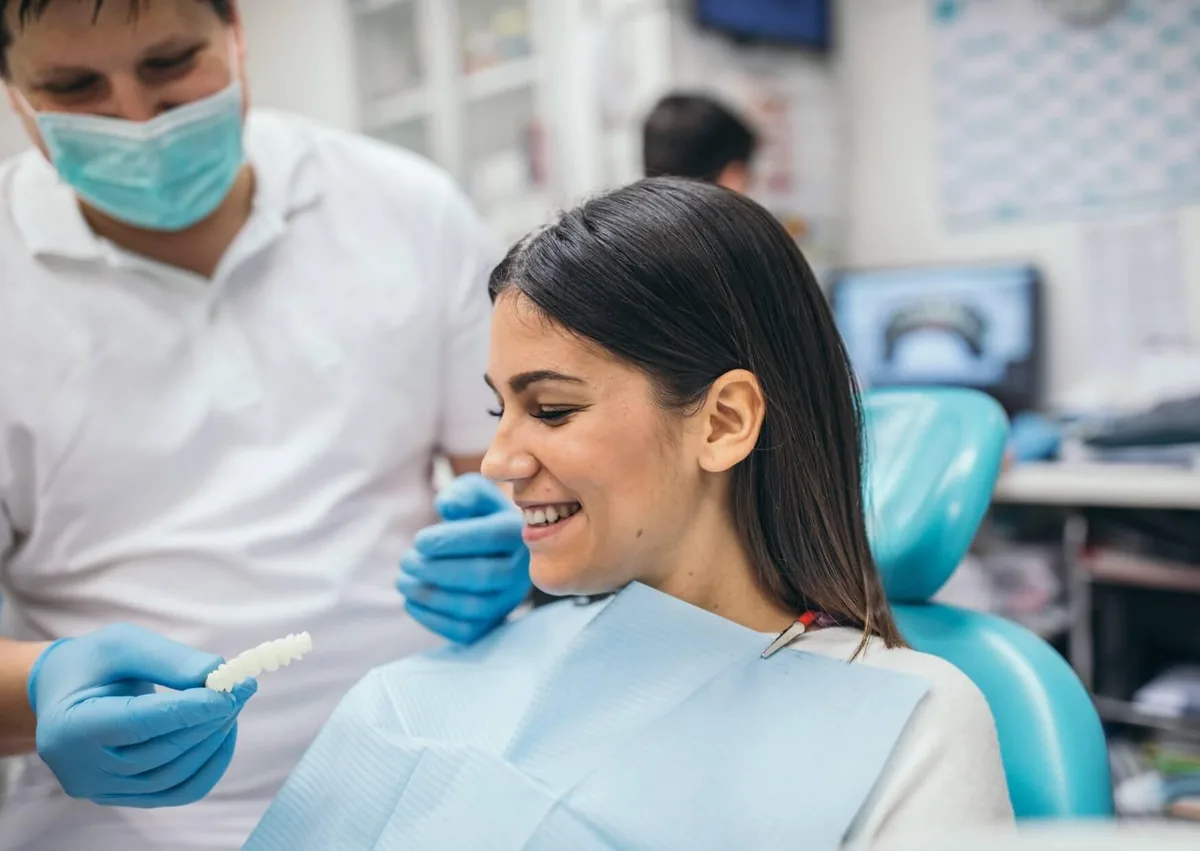
A good smile makeover plan balances appearance with enamel preservation, gum health, bite stability, and realistic maintenance. It is reasonable to ask about alternatives or get a second opinion before treatment that permanently changes several healthy teeth.
Schedule a comprehensive dental evaluation with our cosmetic dentistry team if your concerns are persistent, worsening, or unclear. A dentist can tell you which issues are mainly cosmetic, which affect oral health, and whether a phased approach could reach your goals more conservatively.
Discussing your priorities during a consultation helps sequence treatments, protect healthy tooth structure, and set realistic expectations. Contact Supremia Dentistry for cosmetic dentistry in Wake Forest, NC, and call (984) 983-5865 to schedule a consultation.
FAQs
How much does a smile makeover cost?
Cost varies widely because a smile makeover may involve one treatment or several. Fees depend on the procedures, number of teeth, materials, case complexity, location, and whether specialists are involved. For example, porcelain veneers can represent a large share of cosmetic fees, so it may help to review veneers cost.
How long does a smile makeover take?
Simple bonding or whitening may take one visit or a few short appointments. Plans that include orthodontics, gum treatment, implants, or multiple restorations may take several months or longer, especially when healing time is needed.
Is a smile makeover painful?
Comfort depends on the treatment used. Whitening may cause temporary sensitivity, while veneers, crowns, gum procedures, and implants can cause short-term soreness that your dental team should explain before treatment begins.
Are smile makeover results permanent?
No dental treatment lasts forever. Tooth movement, staining, wear, gum changes, and restoration damage can affect your results, so ongoing home care, professional monitoring, and eventual maintenance or replacement should be expected. For more on veneer longevity, see how long veneers last.
Can I get a smile makeover if I have gum disease?
Active gum disease usually needs treatment with gum disease care first because inflamed or receding gums can affect comfort, appearance, and restoration margins. Cosmetic planning can continue after a dentist or periodontist confirms that your gums are healthy enough for treatment.