
A tooth implant can often last 20 years or longer, and many stay in place for a lifetime when they are placed in healthy bone and cared for well. Long-term implant survival rates support that expectation, although the crown attached to the implant usually wears out sooner, often in about 10 to 15 years.
No dentist can promise an exact lifespan. Gum health, bite pressure, home care, tobacco use, medical conditions, and regular dental follow-up all affect how long the implant and crown last. If you’re considering dental implants, talk to a dentist or explore who does dental implants to understand expected longevity and treatment options. If timing is part of your decision, read how to get dental implants.
If you’re weighing whether a tooth implant is the right long-term solution for missing teeth or a failing restoration, learning what implant treatment involves can clarify expectations and next steps. Supremia Dentistry in Wake Forest offers personalized dental implants planning and full-service care to help you understand options and durability.
How Long Each Part of a Tooth Implant Lasts
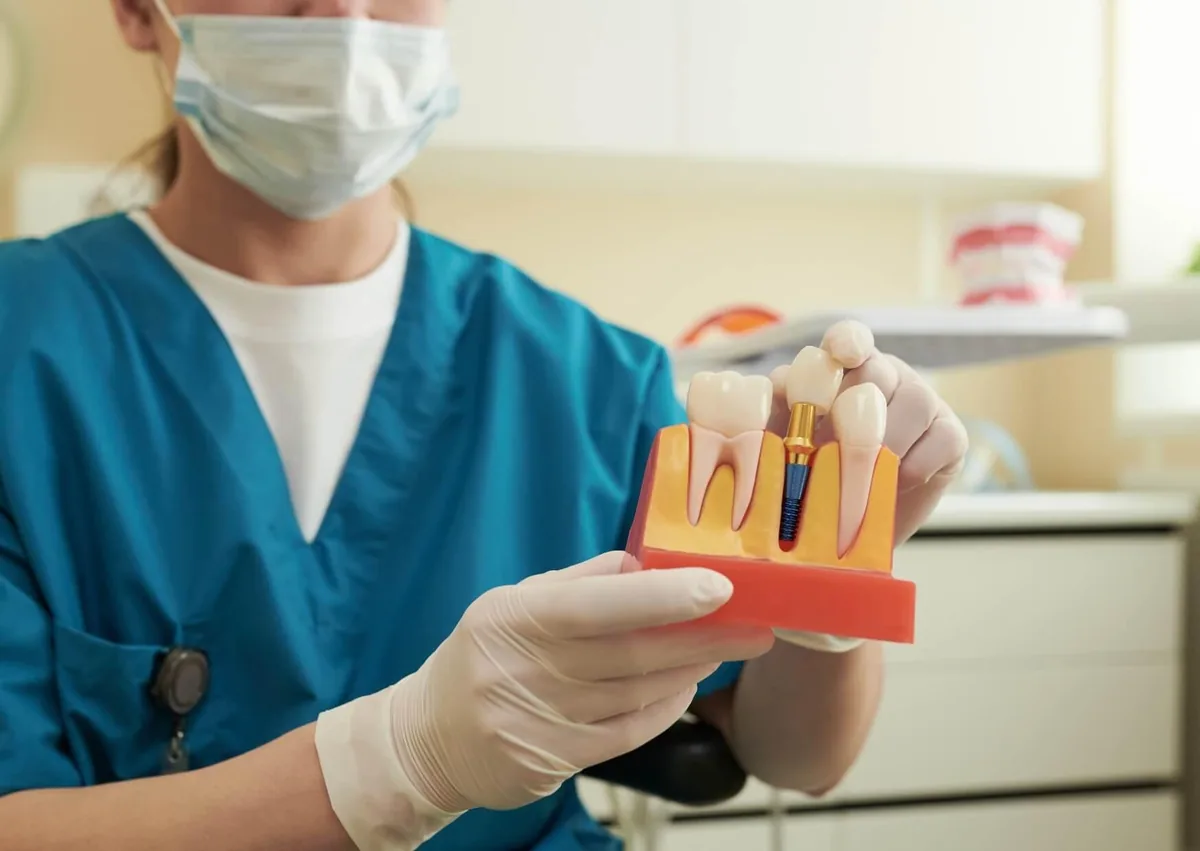
A single-tooth implant has three main parts. The implant post sits in the jawbone, the abutment connects the post to the restoration, and the crown is the visible tooth-shaped part you chew with.
|
Implant Component |
Typical Longevity |
Why It May Need Attention |
|---|---|---|
|
Implant post |
Often 20 years or longer |
Bone loss, inflammation, poor integration, or excessive force |
|
Abutment |
Often many years |
Loosening, wear, or fracture |
|
Crown |
Commonly about 10 to 15 years |
Chipping, wear, loosening, or appearance changes |
These are general ranges, not guarantees. A crown may last longer with a stable bite and good habits, while grinding, clenching, or chewing hard objects can shorten its lifespan. For more on crown longevity, see how long crowns last.
What Affects How Long a Tooth Implant Lasts
Healthy bones and gums help protect an implant over time. Daily plaque removal and regular professional care lower the risk of inflammation that can lead to bone loss around the implant.
Important factors include:
- Brushing well and cleaning between the implant and nearby teeth every day
- Regular general dentistry visits and professional cleanings
- Smoking, vaping, and other nicotine or tobacco exposure
- Diabetes control and other health conditions that affect healing or immunity
- Teeth grinding or clenching
- Implant position and the amount and quality of supporting bone
- Bite alignment and crown design
- Habits such as chewing ice or using teeth to open packaging
A history of gum disease does not always rule out implant treatment, but it can increase the need for closer monitoring. If active periodontal problems are present, appropriate gum disease care may lower the risk of peri-implant complications.
Poorly controlled diabetes and tobacco use can also raise the risk of delayed healing and implant problems. These risk factors are also linked to peri-implant disease.
How Tooth Implant Health Affects Comfort and Long-Term Oral Health
A stable implant should usually feel comfortable when you chew. The implant post does not have a natural tooth nerve and cannot get a cavity, but the surrounding gums and bone can still become inflamed or infected. If pain is part of your concern, learn more about how dental implants hurt.
Early inflammation around an implant is called peri-implant mucositis. It may cause redness, tenderness, or bleeding.
If inflammation progresses and damages the supporting bone, it is called peri-implantitis. That condition can threaten the long-term stability of the implant.
The crown can also chip, loosen, or feel uneven even when the implant post is still healthy. Prompt evaluation may allow a dentist to repair or replace the restoration before extra force affects other parts.
How to Help a Tooth Implant Last Longer
Brush twice a day with a soft-bristled toothbrush and clean around the implant daily with floss, an interdental brush, or another tool recommended by your dental team. The best option depends on the implant’s location, the shape of the restoration, and the space around it.
Keep regular recall visits so your dentist can check the bite, crown, gums, and bone support. X-rays may be recommended at appropriate intervals to monitor areas that cannot be fully checked by sight alone.
If grinding or clenching is damaging the restoration, a custom night guard may help. Avoid chewing ice and very hard objects, and seek support for nicotine cessation when relevant because tobacco can affect gum and bone health.
Signs a Tooth Implant Needs Evaluation
Contact a dentist if the implant crown feels loose, your bite suddenly changes, or chewing becomes uncomfortable. Ongoing bleeding, swelling, gum recession, a bad taste, drainage, or visible metal near the gumline also deserves an exam.
A moving implant post is not normal and should be checked promptly. A loose crown or abutment can sometimes feel like implant movement, so an exam and imaging are needed to identify the exact problem.
Seek urgent dental care for rapidly increasing swelling, severe or worsening pain, fever, facial swelling, or trouble opening the mouth. Difficulty breathing or swallowing requires emergency medical care.
What to Expect If a Dental Implant Part Wears Out
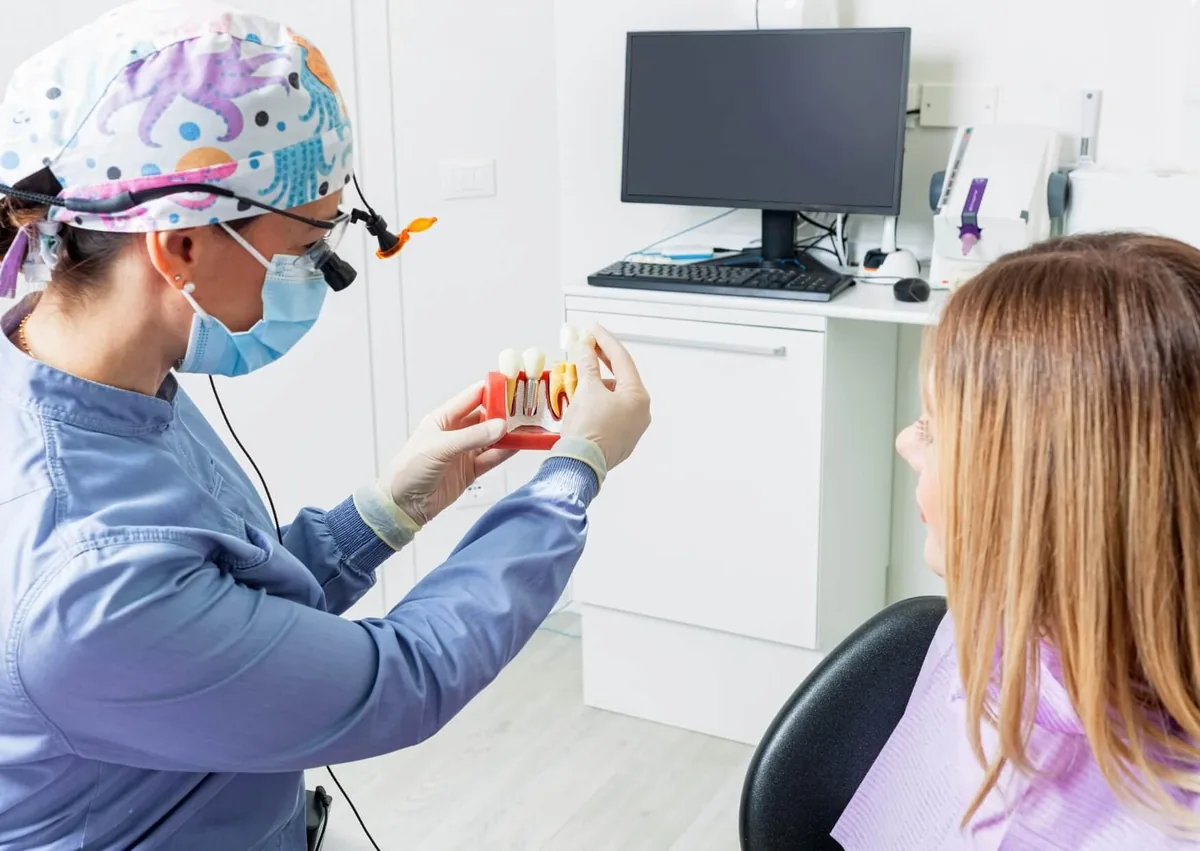
If only the crown is worn, chipped, or no longer looks right, a dentist may be able to replace it while keeping the implant post. Some offices offer same-day crowns for faster replacement in selected cases.
A loose abutment may sometimes be tightened or replaced, depending on its condition and whether other parts were damaged. More serious problems, such as bone loss, fracture, or loss of integration, may require more extensive treatment and sometimes implant removal.
The right next step depends on the cause, the available bone, gum health, medical history, and whether another restoration is the best choice. If you already have an implant, its current condition matters more than a general lifespan estimate.
Give Your Dental Implant the Care It Needs to Last
A dental exam can help tell the difference between normal crown wear, inflammation, and component failure. It can also help set a maintenance plan based on your bite, health history, and home-care needs.
A brief clinical evaluation can confirm whether your implant, crown, or abutment needs repair, replacement, or monitoring to protect long-term oral health. Contact Supremia Dentistry for dental implant care in Wake Forest at (984) 983-5865 to discuss options or schedule an appointment.
FAQs
Can a dental implant last a lifetime?
Yes, the implant post can last a lifetime for some people. That outcome is possible, but it cannot be guaranteed, and the crown is more likely to need replacement over time.
Can an implant get a cavity?
No. Implant materials and crowns do not decay like natural enamel, but plaque can still cause gum inflammation and bone loss around the implant.
How often should a dental implant be checked?
Most implants should be checked during regular dental visits. Some patients need closer monitoring, especially if they have a history of gum disease, smoking, diabetes, inflammation, or difficult plaque control.
Does replacing the crown mean the implant failed?
Not usually. A worn or damaged crown can often be replaced while the implant post remains stable and healthy.
Is discomfort around an older implant normal?
New or ongoing discomfort should not be ignored. It may come from the crown, bite, gums, bone, or nearby teeth and should be evaluated if it continues or worsens.