
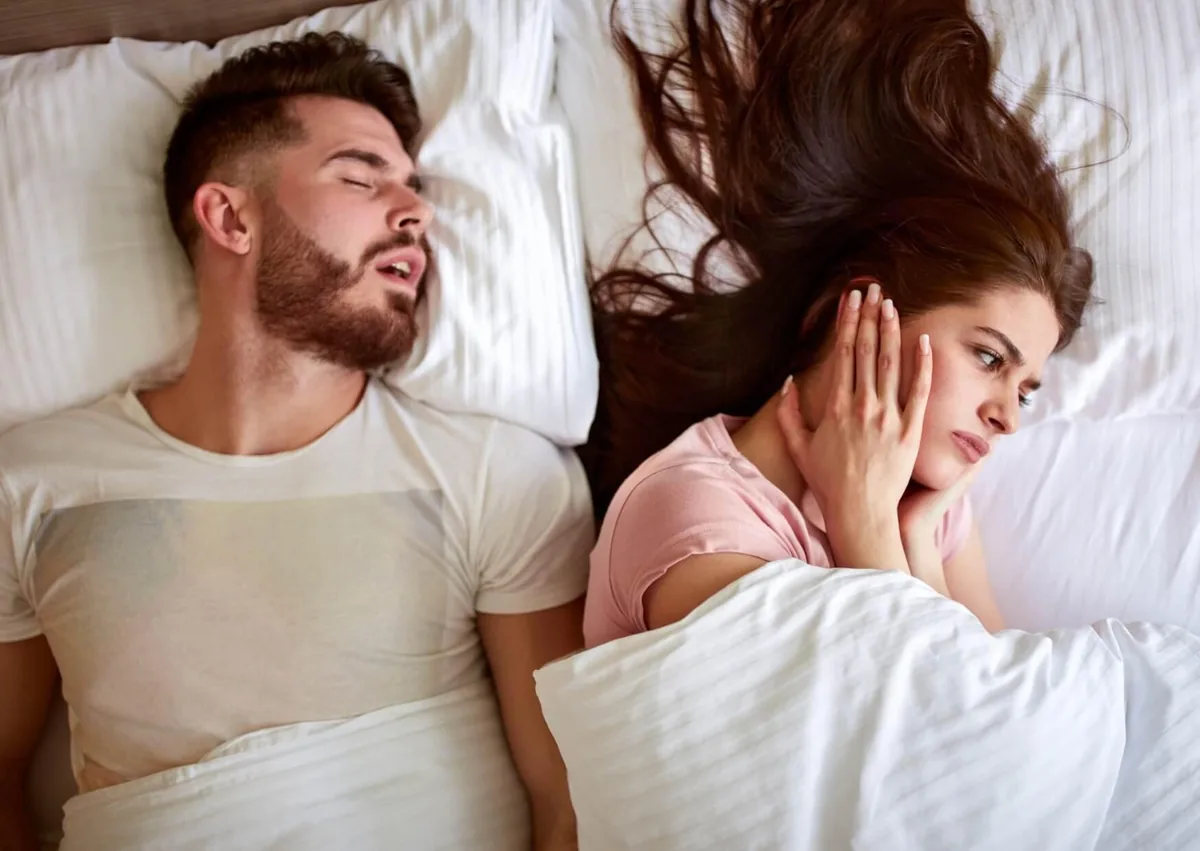
If you want to know how to stop snoring, start with the cause. Mild snoring may improve with side sleeping, less alcohol before bed, and treatment for nasal congestion, while loud or frequent snoring may need evaluation for obstructive sleep apnea treatment and care such as a custom oral appliance.
If your snoring is loud, frequent, or accompanied by gasping or daytime sleepiness, exploring sleep apnea treatment can clarify whether a dental oral appliance or other therapy is right for you. Supremia Dentistry in Wake Forest offers coordinated dental evaluation and appliance care to help improve nighttime breathing while protecting dental health.
How to Stop Snoring by Finding the Cause
Snoring happens when relaxed tissues in the throat vibrate as air moves through a narrowed airway. Common causes include nasal congestion, sleeping on your back, alcohol near bedtime, sedating medicines, smoking, excess weight, jaw anatomy, enlarged tonsils, and obstructive sleep apnea.
A helpful first step is to notice the pattern. Ask whether snoring happens every night, gets worse after alcohol, improves on your side, or comes with gasping, morning headaches, dry mouth, poor focus, or daytime sleepiness.
Snoring by itself cannot confirm or rule out sleep apnea. A medical evaluation and, when needed, a home or lab sleep study are used to diagnose it.
Why Stopping Snoring Matters for Comfort and Long-term Health
Occasional snoring may mainly disturb sleep for you and anyone nearby. It can also lead to dry mouth, which may increase discomfort, bad breath, and cavity risk if low saliva continues.
Obstructive sleep apnea is more serious because breathing repeatedly slows or stops during sleep. Untreated sleep apnea is associated with high blood pressure, heart and blood vessel disease, stroke, mood changes, poor concentration, and a higher risk of driving or workplace accidents from sleepiness. Learn more about the dangers of sleep apnea and untreated OSA risks.
Seek prompt medical care if snoring includes witnessed pauses in breathing, choking or gasping, marked daytime sleepiness, or worsening symptoms. Call 911 for severe trouble breathing, chest pain, blue or gray lips, sudden confusion, or another apparent emergency.
How to Stop Snoring at Home
For mild or occasional snoring, several low-risk habits may help:
- Sleep on your side instead of your back.
- Maintain a weight that supports overall health if weight is a factor.
- Avoid alcohol close to bedtime.
- Stop smoking and avoid secondhand smoke.
- Keep a consistent sleep schedule and allow enough time for sleep.
- Address ongoing nasal congestion with a medical professional.
- Review sedating medicines with the prescribing clinician rather than stopping them on your own.
These steps may reduce airway narrowing, but they do not replace sleep apnea testing when warning signs are present. Be cautious with sprays, clips, chin straps, and other products marketed as universal cures.
How to Stop Snoring With Dental Treatment
A trained dentist may provide a custom oral appliance called a mandibular advancement device. It fits over the teeth and holds the lower jaw slightly forward during sleep, which can create more space behind the tongue and help keep the airway open.
Oral appliance therapy may be appropriate for primary snoring or certain cases of obstructive sleep apnea. If sleep apnea is suspected, diagnosis and treatment planning should involve a qualified medical clinician, while the dentist manages appliance selection, fit, and follow-up.
Over-the-counter mouthpieces may fit poorly and can cause tooth soreness, gum irritation, jaw discomfort, or bite changes. A custom device allows controlled adjustment and ongoing checks of the teeth, jaw joints, gums, appliance condition, and bite.
Comparing Snoring and Sleep Apnea Treatment Options
Treatment depends on the cause, symptom severity, health history, sleep study findings, and personal preferences. A clinician may recommend one option or a combination.
|
Option |
Often Considered For |
What to Expect |
|---|---|---|
|
Lifestyle and sleep-position changes |
Occasional snoring or support alongside other care |
Low risk, but results depend on the cause and consistency |
|
Custom oral appliance |
Primary snoring or selected mild to moderate sleep apnea cases |
Portable and quiet; requires dental fitting, adjustment, and monitoring |
|
CPAP therapy |
Commonly used for obstructive sleep apnea, especially more severe disease |
Uses pressurized air through a mask; highly effective when used consistently |
|
Nasal or allergy treatment |
Congestion or nasal obstruction |
Requires evaluation of the underlying nasal problem |
|
Surgery or specialist procedures |
Specific anatomical blockage or cases not controlled by other care |
Benefits and recovery vary by procedure and patient |
CPAP, or continuous positive airway pressure, helps prevent airway collapse by delivering air through a mask. An oral appliance may be easier for some people to use, but it is not automatically the right replacement for CPAP, especially in severe sleep apnea. For people seeking alternatives, see how to treat sleep apnea without CPAP.
What to Expect From a Snoring Appliance
The process usually starts with a review of dental health, jaw function, symptoms, and any sleep study or medical diagnosis. The dentist may take digital scans or impressions and confirm that the teeth and gums can support an appliance.
After delivery, the device is adjusted gradually to balance breathing improvement with comfort. Temporary tooth tenderness, extra saliva, dry mouth, or jaw stiffness can happen, and follow-up visits help manage these effects.
Long-term monitoring matters because tooth positions or the bite can change over time. When an appliance is used for sleep apnea, the medical clinician may recommend follow-up sleep testing to confirm that treatment is controlling the condition rather than only making snoring quieter.
Choosing the Right Next Step to Stop Snoring
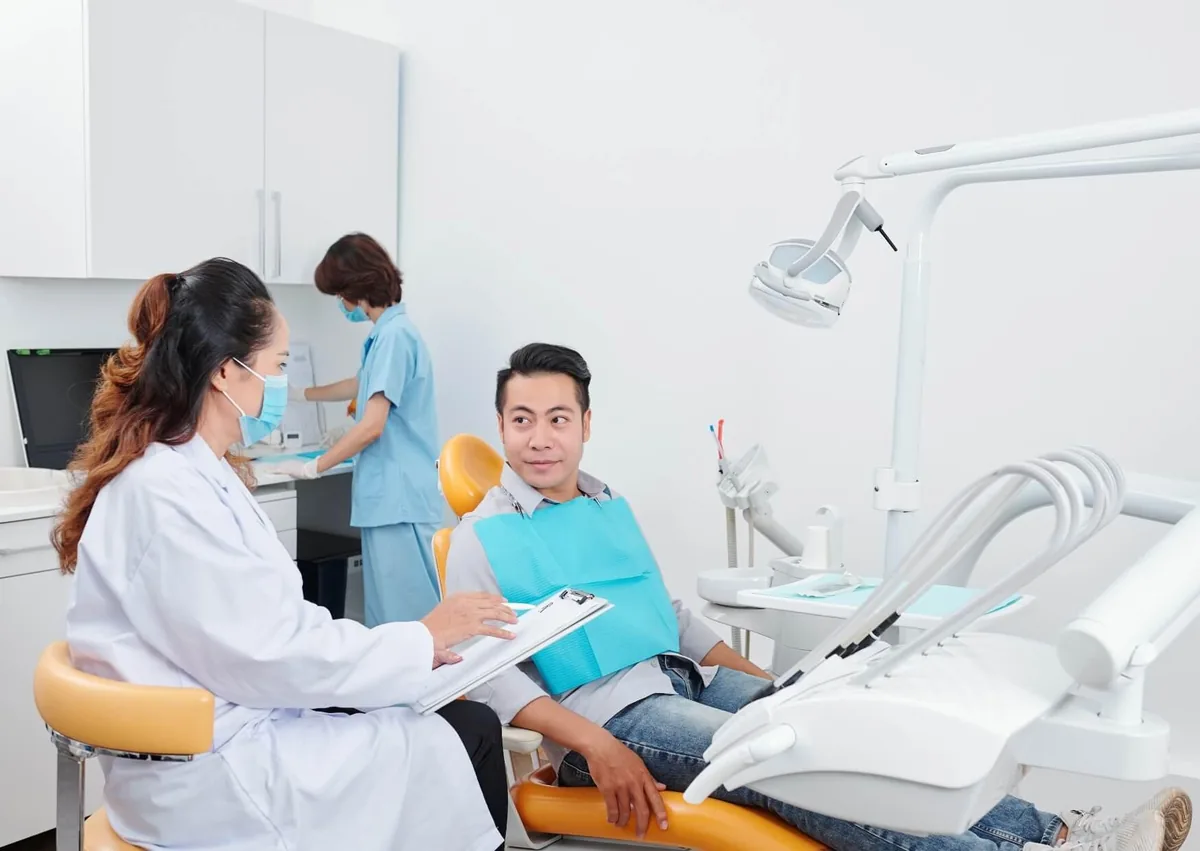
Keep a short record of snoring frequency, sleep position, alcohol use, daytime symptoms, and any breathing pauses reported by another person. This can help a primary care clinician, sleep specialist, or dentist decide whether simple changes, sleep testing, or a dental appliance should be considered.
Talk with your clinician about contributing factors such as jaw position or growth-related concerns and whether referral for dental-focused options like physiologic orthodontics or oral facial development is appropriate.
Persistent, worsening, or unexplained snoring deserves individualized evaluation, especially when it affects energy, concentration, blood pressure, or breathing during sleep. A coordinated medical and dental approach can improve comfort while protecting long-term health.
Start with a coordinated dental and medical evaluation to determine whether sleep apnea treatment or a dental appliance is the right next step for you. Supremia Dentistry in Wake Forest offers sleep apnea treatment focused on personalized appliance fitting and follow-up; call (919) 556-6200 to arrange a consultation.
FAQs
Can a dentist diagnose sleep apnea?
A dentist may screen for signs and risk factors, but a dentist does not diagnose sleep apnea. Diagnosis requires evaluation by a qualified medical clinician, usually supported by a sleep study.
Will a mouth guard stop snoring?
A standard night guard made for teeth grinding does not reliably open the airway and may not reduce snoring. A mandibular advancement device is designed differently and should be selected and fitted for the patient’s airway and dental needs.
Is snoring always a sign of sleep apnea?
No. Snoring can happen without sleep apnea, but loud, frequent snoring with gasping, breathing pauses, morning headaches, or daytime sleepiness raises concern and should be evaluated.
How quickly does an oral appliance work?
Some people notice a change as soon as the device is properly adjusted, while others need several follow-up visits. If the appliance treats diagnosed sleep apnea, symptom improvement alone is not enough, and follow-up testing may be needed to verify effectiveness.
Can children use snoring appliances?
A child who snores regularly should be assessed by a pediatrician or appropriate specialist because enlarged tonsils, nasal obstruction, sleep apnea, and growth-related factors may be involved. When restricted tongue mobility is suspected, evaluation for tongue tie release may be helpful. Adult-style oral appliances are not a routine do-it-yourself solution for children.