
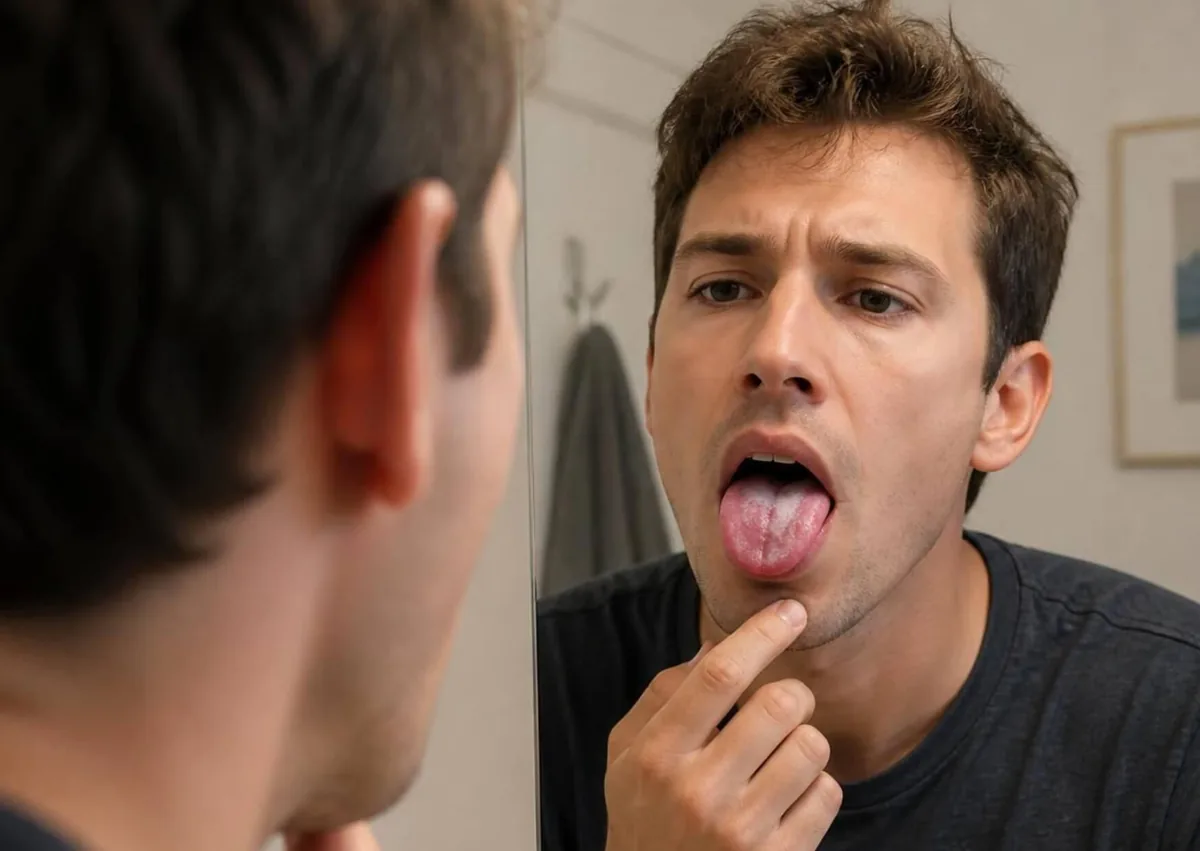
White patches, mouth soreness, or a cottony feeling can be signs of oral thrush, a common yeast overgrowth in the mouth. It is often treatable, but similar symptoms can come from other oral conditions, so patches that last, hurt, or make swallowing difficult should be checked with a general dental exam.
If you’re noticing persistent white patches, soreness, or swallowing changes, a dental exam can determine whether oral thrush or another condition needs treatment. At Supremia Dentistry in Wake Forest, we focus on personalized, full-service dental care to identify causes and coordinate safe, effective treatment options.
Oral Thrush Symptoms: What It Looks and Feels Like
Oral thrush, also called oral candidiasis, happens when Candida yeast grows more than usual. Small amounts of this yeast can live in a healthy mouth without causing problems.
Common signs include creamy white or yellow-white patches on the tongue, inner cheeks, gums, roof of the mouth, or throat. The tissue underneath may look red and can bleed slightly if the patch is rubbed off.
Some people notice burning, tenderness, a dry or cottony feeling, changes in taste, or cracks at the corners of the mouth. In denture wearers, thrush may appear more as smooth, red, sore tissue under the denture.
Not every white patch is an oral thrush. Food debris, dry mouth, irritation, geographic tongue, lichen planus, and other oral conditions can look similar. A white patch that does not rub off needs professional evaluation.
Why Oral Thrush Happens
Oral thrush is more likely when the normal balance of bacteria and yeast in the mouth changes. It is also more common when the body’s immune defenses are under stress.
Common risk factors include recent antibiotic use, inhaled corticosteroids for asthma, dry mouth, smoking, poorly controlled diabetes, cancer treatment, immune-suppressing medicines, and some immune-related conditions. Infants and older adults also tend to develop thrush more often.
Dentures can raise the risk when they trap moisture and plaque against the gums. Wearing dentures overnight or not cleaning them well can make irritation and yeast overgrowth more likely.
A dental exam can include a check of denture fit and hygiene if a denture rubs, traps debris, or leaves lasting redness.
Oral thrush is not usually considered contagious in healthy adults. If it keeps coming back, the better next step is to look for the cause instead of repeating treatment without an exam.
How Oral Thrush Can Affect Comfort and Health
Oral thrush can make eating, drinking, brushing, and wearing dentures uncomfortable. Soreness and taste changes may also make it harder to eat normally or keep up with oral hygiene.
Most cases do not cause long-term harm when the cause is found and treatment works. Without proper care, symptoms may continue or return.
In some people, especially those with weakened immune systems, the infection can spread into the esophagus. That can cause pain with swallowing or the feeling that food is sticking.
How Oral Thrush Is Diagnosed
A dental exam or medical visit can often identify oral thrush based on symptoms, health history, medications, and how the mouth looks. The clinician may check whether a patch wipes away and look for dry mouth, denture irritation, cracks, or other lesions.
If the appearance is unusual, treatment does not help, or the problem keeps returning, testing may be needed. This may include a gentle swab or scraping for lab review.
In some cases, the clinician may also recommend checking for diabetes, nutritional deficiencies, medication effects, or immune problems. That is especially helpful when thrush is severe, recurrent, or hard to explain.
Oral Thrush Treatment and What to Expect
Treatment usually involves a prescription antifungal medicine. Based on standard clinical guidance, mild cases are often treated with medicine that stays in contact with the mouth, while more extensive or stubborn cases may need medicine that works throughout the body.
The best option depends on age, medical history, symptom severity, swallowing ability, and possible drug interactions. Treatment also works better when the underlying trigger is addressed.
|
Care Approach |
When It May Be Considered |
What Patients Can Expect |
|---|---|---|
|
Mild or localized mouth infection |
Medicine stays in contact with oral tissues as directed |
|
|
Systemic antifungal |
More extensive, recurrent, or treatment-resistant infection |
Medicine works throughout the body and requires medication review |
|
Risk-factor management |
Dry mouth, denture issues, inhaler use, diabetes, or medication-related risk |
Changes meant to improve comfort and lower the chance of recurrence |
Symptoms often start improving after treatment begins, but the full course should be used exactly as prescribed. If symptoms worsen, do not improve as expected, or return soon after treatment, contact the prescribing clinician.
Supportive care may include gentle brushing with a soft toothbrush, staying hydrated, and avoiding tobacco, alcohol-containing mouth rinses, and foods that sting sore tissue. Home remedies should not replace an exam or prescribed antifungal treatment.
How to Help Prevent Oral Thrush From Coming Back
Clean removable dentures every day using professional and manufacturer instructions. Remove them while sleeping unless a clinician has told you otherwise.
A dentist can check the fit if a denture rubs, traps debris, or leaves persistent redness. Better denture hygiene and fit can reduce irritation and lower the chance of recurrence.
After using an inhaled corticosteroid, rinse your mouth with water and spit it out unless the medication instructions say otherwise. A clinician or pharmacist can also review inhaler technique and determine whether a spacer device reduces the risk.
Managing dry mouth and keeping blood glucose within the target set by your medical clinician may also help. Do not stop or change antibiotics, steroids, or other prescribed medicines without checking with the prescriber.
When Oral Thrush Needs Prompt Care
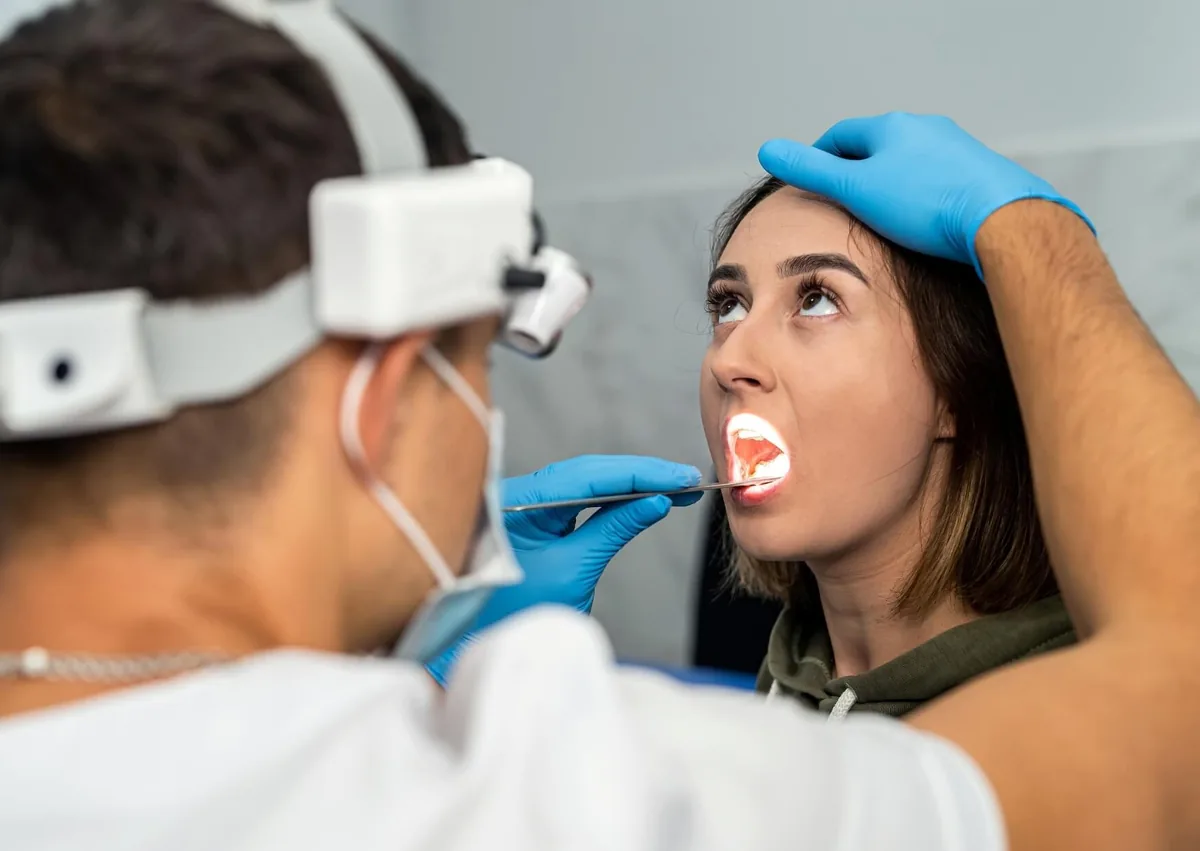
Arrange an evaluation if mouth patches or soreness persist, worsen, return, or have no clear cause. Prompt assessment matters even more for people receiving chemotherapy, taking immune-suppressing medication, living with an immune condition, or having difficulty controlling diabetes.
If thrush causes severe pain, trouble swallowing, or signs of spreading infection, seek emergency dentistry or urgent medical care. Seek urgent medical care right away for trouble breathing, inability to swallow liquids, severe dehydration, rapidly increasing swelling, or significant weakness.
Pain with swallowing or the feeling that food is sticking can suggest the infection extends beyond the mouth. Bringing an up-to-date medication list and noting when symptoms began can make the visit more useful.
If symptoms persist or you need an evaluation for oral thrush and related oral-health factors, a dental exam can clarify diagnosis and treatment choices. Contact Supremia Dentistry for general dentistry in Wake Forest by calling (984) 983-5865 to arrange an appointment or discuss your concerns.
FAQs
Can oral thrush go away without treatment?
A mild case may improve if the trigger is temporary and resolves quickly. Still, persistent or uncertain symptoms should be examined so another condition is not missed.
Can I scrape oral thrush off my tongue?
Thrush patches may partly wipe away, but scraping can irritate the tissue and cause bleeding. Removing the visible patch does not treat the yeast overgrowth.
Is oral thrush contagious?
Usually not in healthy adults. Candida commonly lives in the mouth already, so risk is more related to changes in the oral environment or immune defenses.
Does oral thrush mean I have a serious illness?
Usually not. It often happens after antibiotics, with inhaled steroids, with dentures, or when dry mouth is present.
If oral thrush is recurrent, severe, or unexplained, it should be evaluated because it can sometimes be linked with diabetes or reduced immune function.
Should I see a dentist or a physician for oral thrush?
Either may be appropriate, depending on your symptoms and health history. A dentist is well positioned to examine oral tissues and dentures, while a physician may be especially helpful when swallowing symptoms or broader medical concerns are involved.