By Dr. Morgan Herman, DDS | Supremia Dentistry | Wake Forest, NC
Yes — and for many patients, dentistry offers some of the most effective and least disruptive options available.
CPAP remains the most well-studied treatment for obstructive sleep apnea, and for severe cases it’s often still part of the picture. But CPAP has a well-known problem: most people don’t use it. Compliance rates hover around 50% — meaning roughly half of all patients prescribed a CPAP either stop using it or never really start. A treatment that sits on a nightstand doesn’t treat anything.
At Supremia Dentistry in Wake Forest, we take a comprehensive, individualized approach to sleep-disordered breathing. Here’s what that actually looks like.
FIRST: WHAT IS ACTUALLY HAPPENING IN OBSTRUCTIVE SLEEP APNEA?
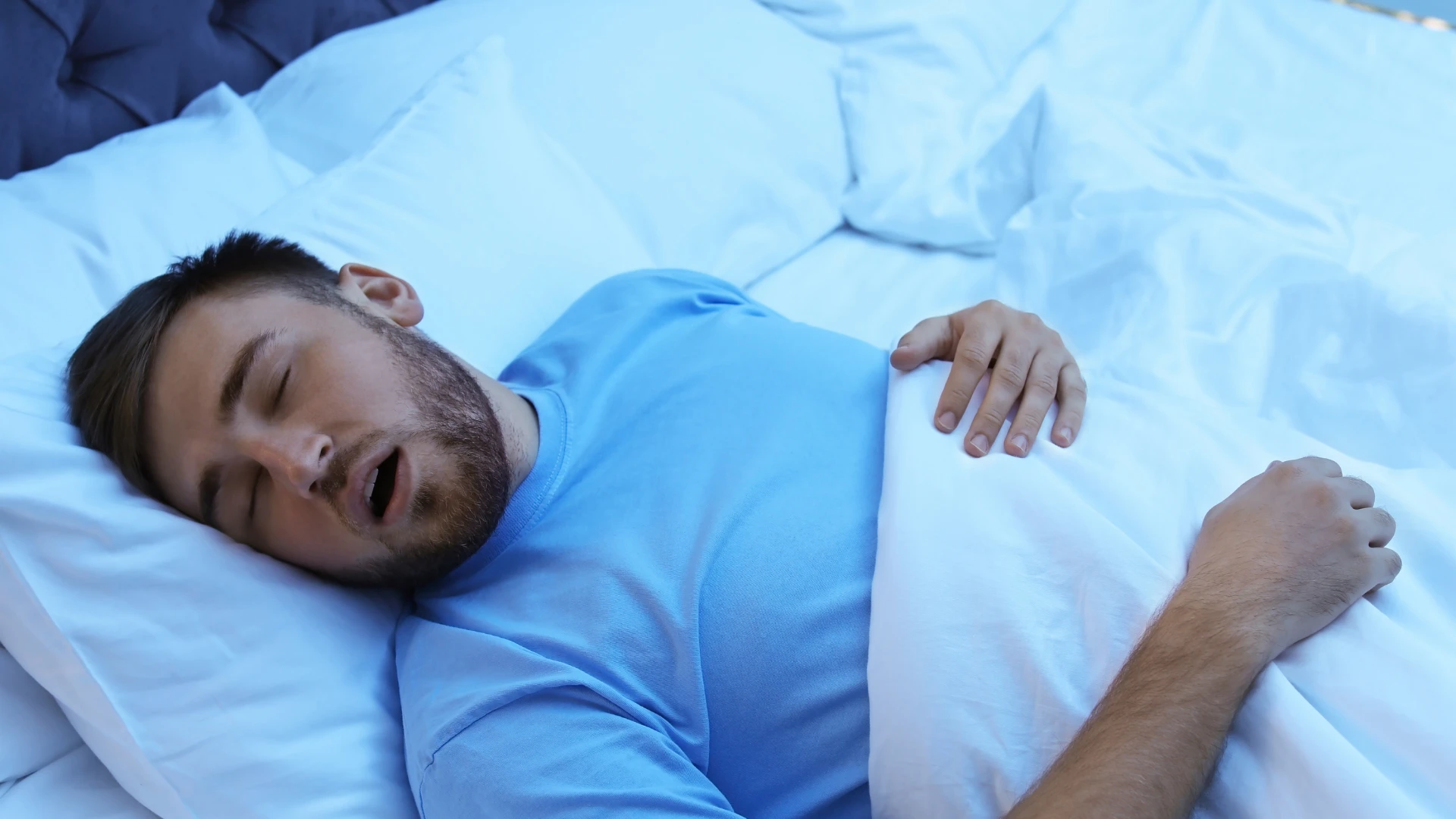
Obstructive sleep apnea occurs when the soft tissues of the throat collapse inward during sleep, blocking airflow partially or completely. Your brain detects the drop in oxygen and jolts you awake just enough to restore muscle tone and reopen the airway. This can happen dozens or hundreds of times a night, most of the time without the patient ever knowing.
The consequences go far beyond feeling tired. Untreated OSA is an independent risk factor for hypertension, heart attack, stroke, type 2 diabetes, Alzheimer’s disease, and dementia.
DIAGNOSIS FIRST: CBCT IMAGING AND THOROUGH EVALUATION
Before any treatment is recommended, we need to understand the anatomy. Cone beam CT (CBCT) imaging of the head and neck allows us to precisely evaluate the airway, identify anatomical restrictions, assess jaw position, and plan individualized treatment with a level of accuracy that a clinical exam alone can’t provide.
TREATMENT OPTIONS AT SUPREMIA DENTISTRY
Mandibular Advancement Devices (MADs) — with a critical difference
Oral appliances that gently advance the lower jaw forward are among the most well-studied non-CPAP treatments for sleep apnea. But here’s what most patients don’t hear about MADs: a very common side effect is TMD flare-ups. Jaw pain, muscle soreness, bite changes, and joint symptoms are well-documented complications — largely because most practices determine jaw position by estimation rather than by measurement.
At Supremia Dentistry, we do it differently.
Before fabricating any oral appliance, we use a microtens unit to relax the jaw muscles completely. The microtens delivers gentle electrical stimulation that flushes lactic acid and other metabolic byproducts out of overworked, chronically tense muscles while increasing blood flow — allowing the muscles to reach their true, fully relaxed state.
Once the muscles are genuinely relaxed, we connect you to an EMG (electromyography) machine. EMG quantifies muscle activity in real time — rather than guessing that a position feels right, we can objectively see that your muscles are calm, balanced, and confirming that your jaw is in its ideal resting position. Your body tells us where your bite belongs.
The result: an oral appliance fabricated to a neuromuscularly verified position. Not only does this improve OSA outcomes, but patients with co-existing TMD frequently see their jaw symptoms improve alongside their sleep, rather than experiencing the flare-ups that poorly positioned appliances routinely cause.
Tongue tie release (frenectomy)
The tongue plays a direct role in airway patency. When the tongue is properly postured — resting fully against the roof of the mouth — it acts as a natural airway support. When a restricted frenum (tongue tie) prevents this, the tongue falls back during sleep and contributes to obstruction. A simple laser frenectomy releases the restriction, allowing the tongue to achieve proper posture.
Myofunctional therapy
Orofacial myofunctional therapy involves targeted exercises that retrain the muscles of the tongue, lips, cheeks, and throat. Research shows myofunctional therapy reduces the apnea-hypopnea index (AHI) significantly in both adults and children.
Laser therapy for oropharyngeal tightening
Low-level laser protocols — such as the NightLase approach — use targeted laser energy to stimulate collagen production in the soft tissues of the soft palate and oropharynx, tightening lax tissue that would otherwise collapse during sleep. We are actively adding laser therapy for sleep-disordered breathing to our treatment menu — ask us about current availability.
Palatal expansion and orthopedic alignment
A narrow palate directly reduces the volume of the nasal airway above it. Palatal expansion, using orthopedic appliances, widens the upper jaw and creates more space for both the tongue and the nasal passages simultaneously. This is one of the most structurally impactful interventions available, particularly for children whose facial bones are still developing.
Breath retraining and nasal breathing establishment
Many sleep apnea patients are chronic mouth breathers. Breath retraining protocols — teaching patients to breathe through the nose during the day and establishing nasal dominance — are a foundational intervention that supports every other treatment.
Nasal care and airway optimization
Nasal congestion and obstruction forces mouth breathing and removes the protective role of the nasal airway entirely. Addressing nasal health through appropriate medical care, saline protocols, or specialist referral is often an overlooked but critical component of comprehensive sleep apnea management.
Interdisciplinary collaboration
Comprehensive airway care rarely stays within a single discipline. Depending on what’s driving your sleep apnea, a complete treatment plan may involve collaboration with sleep physicians, myofunctional therapists, ENT specialists, chiropractors, or nutritionists. We coordinate that care rather than treating in isolation.
WHAT ABOUT CHILDREN?
Sleep-disordered breathing in children looks different from adult OSA — and is even more underrecognized. Mouth breathing, snoring, bedwetting, restless sleep, difficulty concentrating, behavioral concerns, and crowded teeth can all be signs of an airway problem in a growing child. The earlier airway issues are identified in children, the more can be done.
IS THIS RIGHT FOR YOU?
The right treatment depends entirely on what’s causing your sleep apnea — the anatomy, the severity, the contributing habits, and your overall health picture. There is no one-size-fits-all answer, and we don’t pretend there is.
To schedule a sleep apnea or airway evaluation at Supremia Dentistry, call 919-556-6200 or request an appointment online.
Supremia Dentistry · Wake Forest, NC · Serving Wake Forest, Raleigh, and the greater Triangle area